 English
 русский
 Español
 عربى
عربى
Why does hotel bedding feel so good?


Why does hotel bedding feel so good?
08-10-2026
Contenido
- 1 The Layered System Behind Hotel Bedding
- 2 Parts of Bed Sheets That Actually Matter
- 3 What Bedding Do Hotels Use Across the Full Set
- 4 Bedding Component Breakdown by Function
- 5 Bed Linen Parts and How They Differ from Bedding Fill
- 6 Parts of a Comforter Set Versus a Hotel Duvet System
- 7 How Commercial Laundering Changes the Feel
- 8 Recreating Hotel Bedding Components at Home
- 9 Key Takeaways on Why Hotel Bedding Feels So Good
QUICK ANSWER
Hotel bedding feels better because it combines three things most home beds skip: a high thread count percale or sateen sheet, usually between 250 and 400 threads per square inch, a plush duvet insert layered over a crisp duvet cover, and a mattress topper that adds cushioning without softening support. None of this comes from a single miracle fabric. It comes from deliberate layering, consistent fabric quality, and strict laundering standards that keep every piece crisp, white, and free of the residue that gradually stiffens home bedding over time.
Understanding the components of bedding hotels use makes it possible to recreate that feeling at home without guessing. The sections below break down each layer, the specific materials involved, and what bedding do hotels use in each part of the setup, so you can shop with the same criteria hotel purchasing teams use.
The Layered System Behind Hotel Bedding
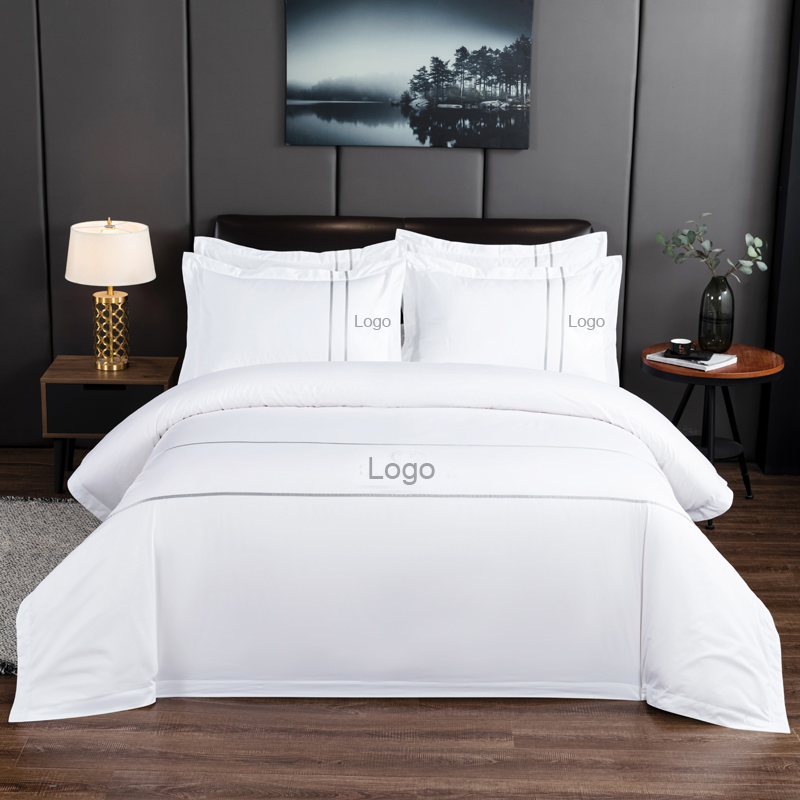
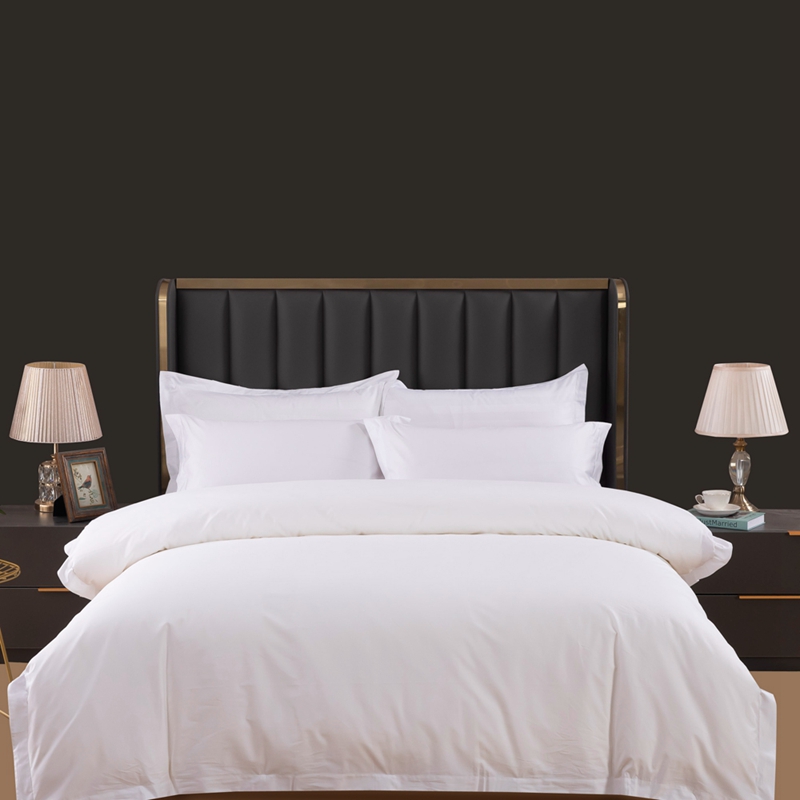
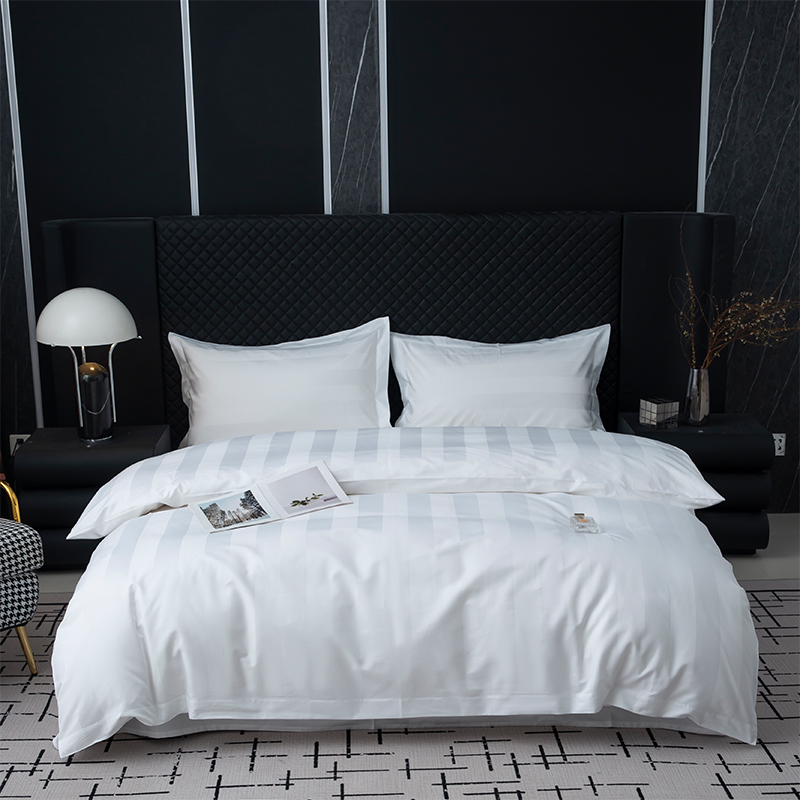
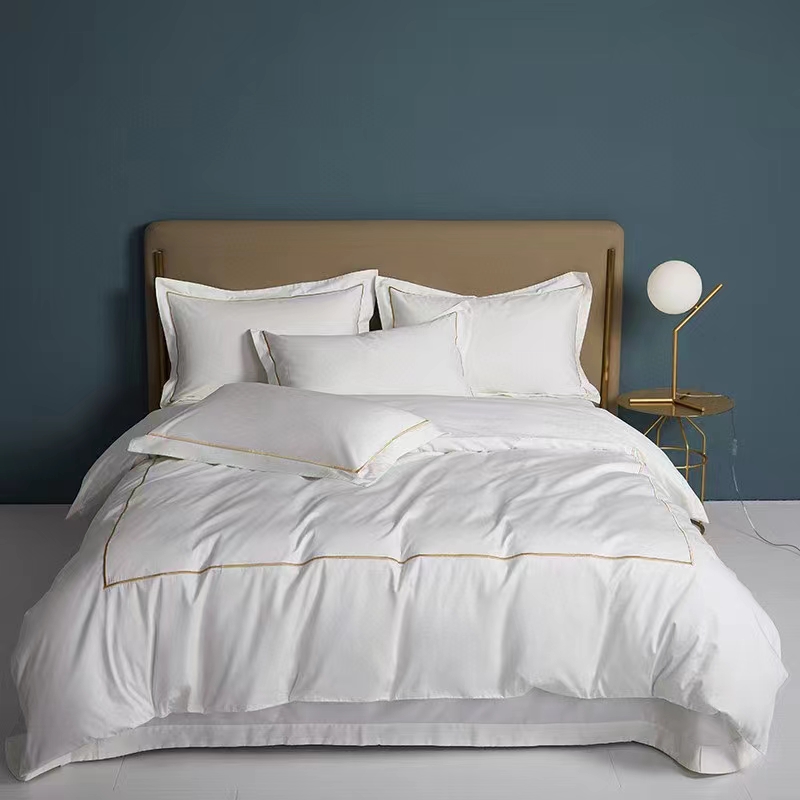
Most people assume hotel beds feel good because of one expensive item, usually the duvet. In reality, the effect comes from a layered bedding component system, where each layer does a specific job. Removing even one layer noticeably changes how the bed feels, which is why simply buying a nicer duvet at home often does not fully replicate the hotel effect.
1Mattress protector. A thin, breathable layer that protects the mattress and adds a very slight cushioning effect without changing the feel of the surface.
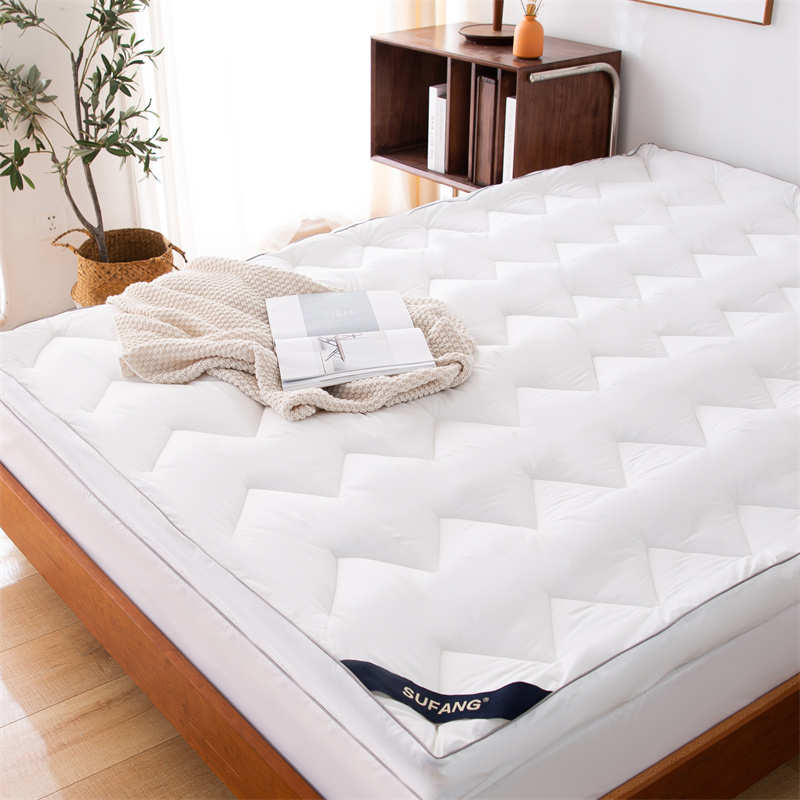
2Mattress topper. Usually a down alternative or fiber fill pad that adds softness on top of a firmer mattress base, giving the sink in feeling without sacrificing spinal support.
3Fitted bottom sheet. A crisp, tightly woven sheet, most commonly percale weave, providing the cool, smooth surface guests feel first.
4Flat top sheet. Placed between the guest and the duvet insert, this layer keeps the duvet cover cleaner between launderings and adds a crisp fold at the top of the bed.
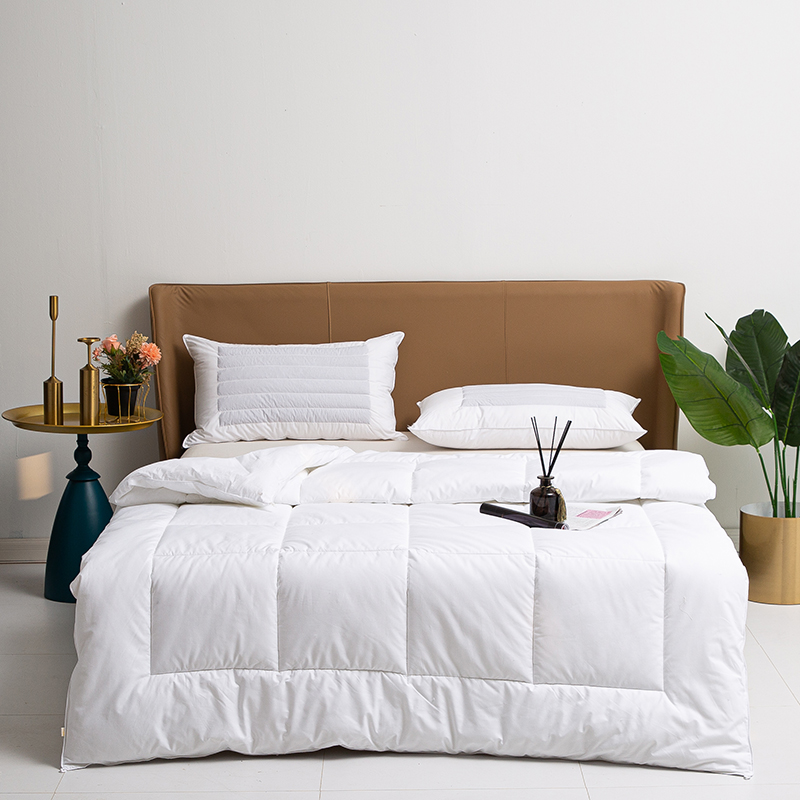
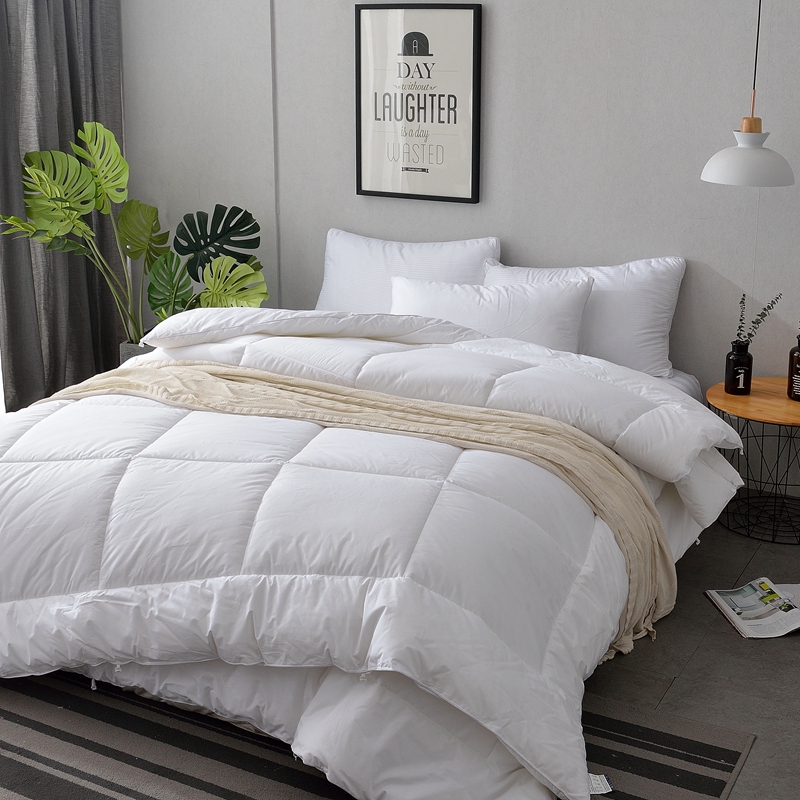
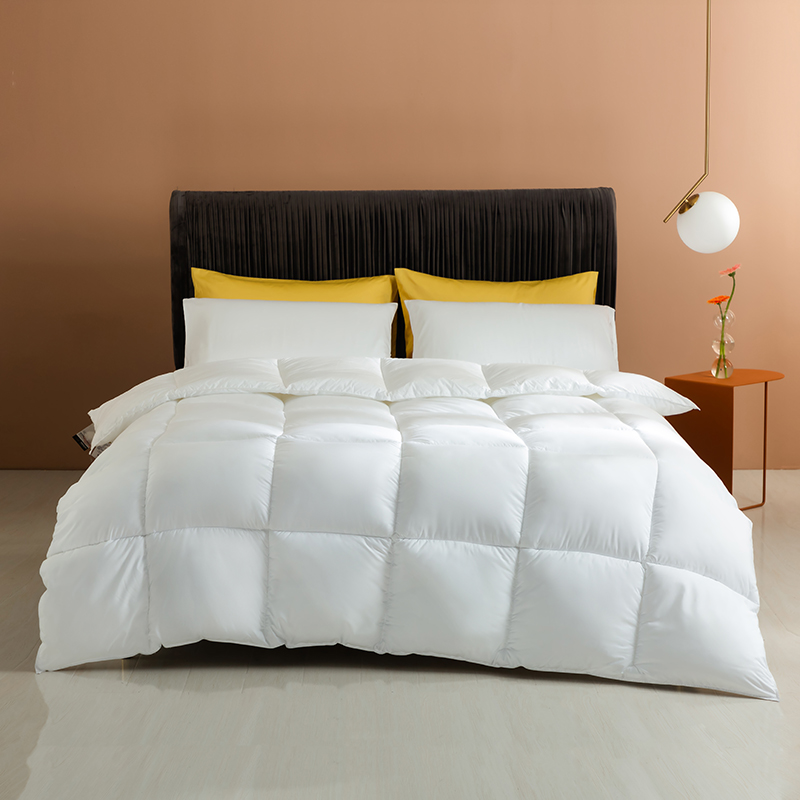
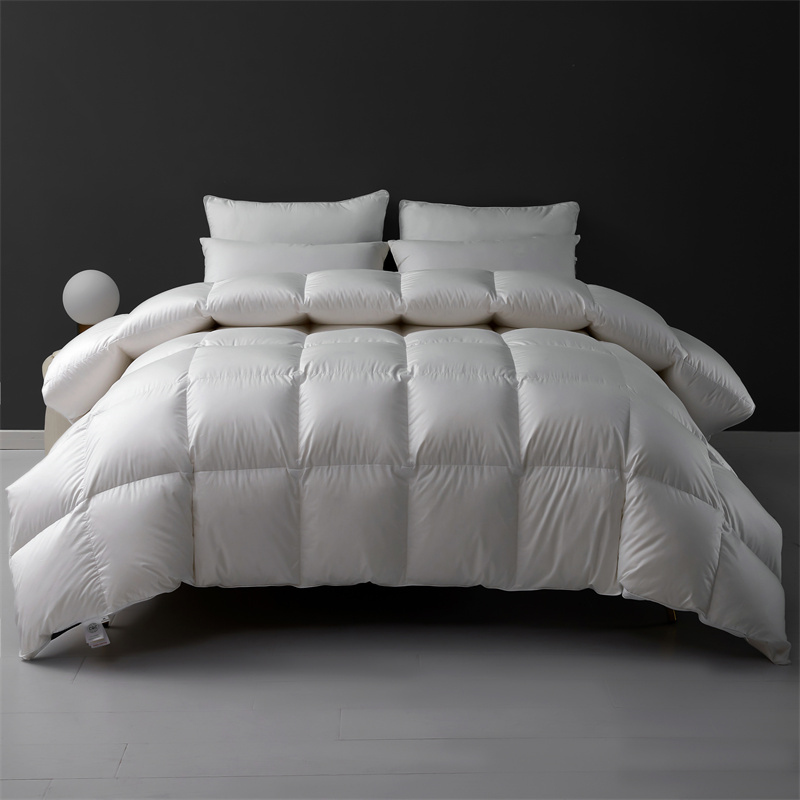
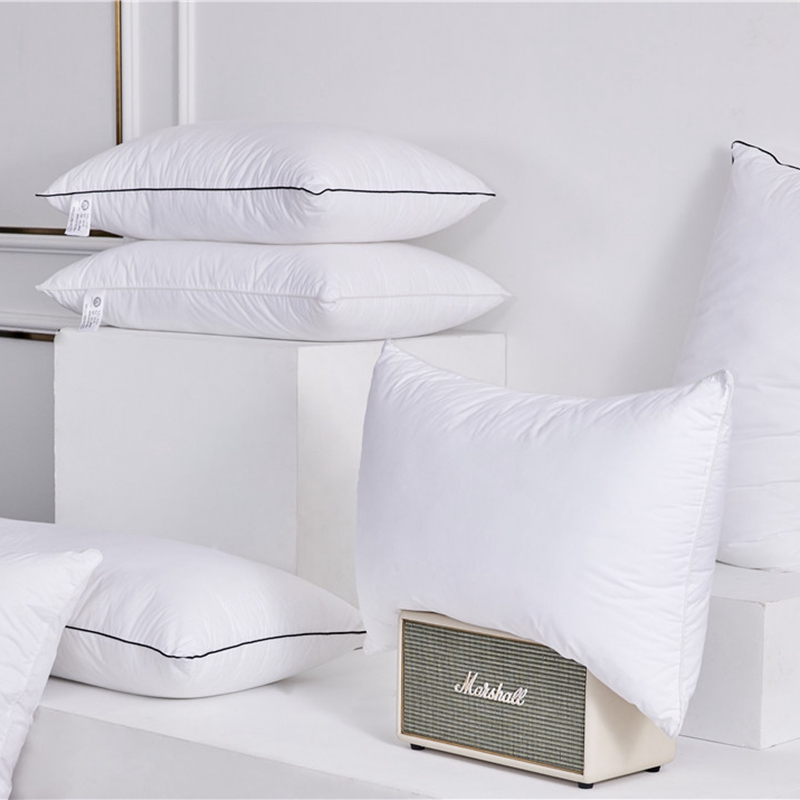
5Duvet insert inside a duvet cover. The plush, cloud like layer most guests associate with hotel bedding, made from down, down alternative, or a blended fill.
6Decorative pillows and shams. Not functional for sleep, but they complete the visual layering that makes the bed look as good as it feels.
Parts of Bed Sheets That Actually Matter
Not all parts of bed sheets contribute equally to comfort. When evaluating sheet quality, focus on three specific attributes rather than marketing terms printed on the packaging.
Weave Type
Hotels most commonly use a percale weave, a simple one over one under construction that produces a crisp, matte finish and a cool feel against skin. Some hotels use sateen weave instead, which has a smoother, slightly glossy surface and a warmer feel, more common in cooler climates or luxury properties.
Thread Count
Contrary to popular belief, higher is not always better. Most quality hotel sheets fall between 250 and 400 threads per square inch. Above roughly 400, additional thread count often comes from thinner, weaker yarns twisted together to inflate the number rather than genuine fabric quality, which can actually reduce durability.
Fiber Content
Long staple cotton, particularly Egyptian or Supima cotton, produces smoother, stronger yarns than short staple cotton. This is a bigger factor in how a sheet feels over time than thread count alone, since long staple fibers resist pilling and stay soft through repeated commercial laundering.
| Weave Type | Feel | Typical Thread Count Range |
|---|---|---|
| Percale | Crisp, cool, matte | 200 to 400 |
| Sateen | Smooth, soft, slightly glossy | 300 to 600 |
| Linen | Textured, breathable, relaxed | Not thread count rated |
What Bedding Do Hotels Use Across the Full Set
What bedding do hotels use is not a single answer, since it varies by property tier, but most mid range to upscale hotels follow a consistent formula built around white or neutral colored, easy to bleach materials.
250 to 400 Thread Count Range
100 Percent Cotton Preferred
3 to 4 Layers Before Duvet
300 plus Washes Before Replacement
White or off white bedding is standard in most hotels not for style alone, but because it can be bleached and sanitized after every guest without color fading concerns. This single practical requirement shapes nearly every fabric and dye decision in commercial hotel bedding purchasing.
Bedding Component Breakdown by Function
Looking at each bedding component by the specific job it performs makes it easier to shop with intention instead of buying based on branding alone.
- Mattress protector, a functional bedding component that extends mattress life and adds minor cushioning
- Topper, the bedding component responsible for the soft, sink in surface feeling
- Fitted sheet, the direct contact layer that determines temperature regulation and smoothness
- Flat sheet, a barrier layer that keeps the duvet cover cleaner and adds a crisp fold detail
- Duvet insert, the loft and warmth providing bedding component most associated with hotel comfort
- Duvet cover, a removable, washable shell that protects the duvet insert and allows frequent laundering
- Pillows and shams, supporting both sleep comfort and the finished visual presentation
Bed Linen Parts and How They Differ from Bedding Fill
It helps to separate bed linen parts, meaning the fabric shells and coverings, from fill materials, meaning what goes inside those shells. Confusing the two is a common reason people overspend on the wrong component when trying to upgrade their bed at home.
| Linen Part | Associated Fill | Primary Purpose |
|---|---|---|
| Duvet cover | Down or down alternative insert | Protects and encases the insert |
| Pillowcase | Down, memory foam, or fiber pillow | Protects and covers the pillow |
| Fitted and flat sheets | No fill, direct fabric contact | Skin contact surface and temperature regulation |
| Mattress protector | Thin fiber or waterproof membrane | Protects mattress surface |
Parts of a Comforter Set Versus a Hotel Duvet System
Many home shoppers buy a comforter set expecting the hotel look, but the parts of a comforter set are actually structured differently from a true hotel duvet system, which explains why the result often feels different even when the price is similar.
Standard Comforter Set Components
A typical comforter set includes a comforter with fill sewn directly inside a fixed outer shell, along with matching shams and sometimes a bed skirt. Because the fill is sewn in place, the outer fabric cannot be laundered separately from the fill, which limits how crisp it can stay over time.
Hotel Duvet System Components
A hotel style setup separates the insert from the cover entirely. The duvet cover can be laundered frequently at high heat for sanitation, while the insert is washed far less often, preserving its loft. This separation is one of the most overlooked reasons hotel bedding stays crisper and fresher feeling than a standard comforter set over time.
Practical takeaway: If you want the hotel feel at home, switching from a sewn in comforter set to a duvet insert plus a separate washable duvet cover is one of the highest impact changes you can make, often more noticeable than upgrading thread count alone.
How Commercial Laundering Changes the Feel
Even identical fabric feels different depending on how it is washed. Hotels use commercial laundering processes with controlled water temperature, industrial extraction, and minimal fabric softener, which actually helps cotton fibers stay crisp rather than becoming limp or waxy over time, a common issue with heavily softened home laundered sheets.
- Commercial hot water washing removes body oils and residue more thoroughly than typical home washing machines
- Minimal or no fabric softener use preserves the natural crispness of percale weave cotton
- High heat commercial drying combined with immediate pressing reduces wrinkles without needing added chemical softeners
- Consistent replacement schedules, often every 300 to 400 washes, ensure sheets are retired before fibers break down and feel worn
Recreating Hotel Bedding Components at Home
Once you understand the individual components of bedding hotels rely on, building the same setup at home becomes a straightforward shopping list rather than a guessing game.
- Choose a percale weave sheet between 250 and 400 thread count in 100 percent long staple cotton
- Add a medium loft down alternative or down duvet insert, separate from its washable cover
- Include a supportive mattress topper if your current mattress feels firmer than you prefer
- Wash sheets and duvet covers in hot water with minimal fabric softener to maintain crispness
- Stick to white or light neutral tones, which are easier to bleach and keep looking fresh over years of use
Nantong Sufang Textile Co., Ltd. is a manufacturer producing bedding components including sheeting fabric, duvet inserts, and duvet covers used in both hotel and residential bedding programs. Working with a manufacturer experienced in hospitality grade textiles helps ensure consistent thread count, durable long staple cotton construction, and fabric that holds up to repeated commercial style laundering.
Buyers sourcing bedding components for hotels or retail should request fabric composition details, thread count verification, and durability testing data covering repeated wash cycles, since these factors determine how long the bedding will maintain its hotel quality feel.
Key Takeaways on Why Hotel Bedding Feels So Good
- Hotel bedding feels better because of a layered system, not a single premium item, typically including a protector, topper, sheets, and a separate duvet insert and cover
- The components of bedding that matter most are weave type, thread count between 250 and 400, and long staple cotton fiber content
- What bedding do hotels use tends to follow a consistent white or neutral, bleach friendly formula across most mid range to upscale properties
- Understanding bed linen parts separately from fill materials helps avoid overspending on the wrong component
- Parts of a comforter set differ structurally from a true hotel duvet system, since a sewn in fill cannot be laundered as effectively as a separate insert and cover
- Commercial laundering practices, including minimal fabric softener use, play a significant role in keeping hotel bedding crisp over hundreds of wash cycles
- Sourcing bedding components from an established manufacturer such as Nantong Sufang Textile Co., Ltd. helps ensure consistent quality suited to hospitality grade durability
Noticias
-
Materiales de los edredones de hotel: explicación de microfibra versus plumón Introducción a Edredón de hotel Materiales Los edredones de hotel son algo ...
LEER MÁS -
Por qué la cama de un hotel parece dormir en una nube Hay un momento particular que todo viajero conoce. Retiras las sábanas blancas de la cama de un hotel de lujo, te hundes...
LEER MÁS -
¿Po qué elegir ropa de cama estilo hotel? Elegir un juego de cama estilo hotel es una de las fomas más sencillas de convertir instantáneamente su dormitorio en un ...
LEER MÁS

Lista de Productos
 Juego de Ropa de Cama para Hotel
 +86-180 6864 1189
 +86-(0)513 86311444
 Zona F, Área Industrial Chuanjiang, Tongzhou, Ciudad de Nantong, Provincia de Jiangsu, China
Derecho de autor © Nantong Sufang Textile Co., Ltd. Todos los derechos reservados.
Proveedores de ropa de cama para hoteles a medida